

Cancer’s Next Step: Finding Hope, Strength and Community in Arizona
Photos provided by City of Hope
A cancer diagnosis reaches far beyond a medical chart. It changes routines, challenges families and brings questions that can be difficult to answer. For those facing the disease, the journey can be deeply personal. But it is also one that no one should have to navigate alone.
For Angela Onodera, a cancer survivor who continues her own cancer journey, that understanding has become a reason to encourage others. Her experience has shown her how much compassion, connection and support can mean to someone facing the uncertainty of cancer.
In an interview with Arizona Health & Living, Onodera and Laurie Sicaeros, president of City of Hope Cancer Center Arizona, discuss the personal impact of cancer, the importance of supporting patients and families, and how research and compassionate care are shaping the future of cancer treatment in Arizona.
“As I continue my own cancer journey, I’ve come to appreciate how much hope, encouragement and compassion can impact someone facing cancer. That experience has inspired me to become an advocate for others walking a similar path. I want people to know they are not alone and to encourage them to stay positive, keep moving forward and find strength in each day,” Onodera says.
A journey that reaches beyond one person
Cancer affects more than the individual receiving a diagnosis. Families, friends and caregivers often become part of the experience, learning how to support someone they love while navigating their own emotions and uncertainty.
Onodera says becoming part of the cancer community has given her a deeper appreciation for the people who show up for one another. Patients, survivors, caregivers and loved ones may have different experiences, but they share an understanding that can create meaningful connections.
“It’s a club no one ever wants to join, but once you’re part of it, you discover incredible strength, compassion and resilience,” Onodera says.
Her message to people facing cancer is to advocate for themselves, lean on those who care about them and keep moving forward. She also encourages friends and family members to recognize that support does not have to come in the form of perfect words or solutions.
“If someone you love is facing cancer, remember that your presence matters more than perfection. You don’t have to solve the problem or have the right words. Simply letting them know they’re not alone can be one of the most meaningful gifts you can give,” Onodera says.
Sometimes, support means listening. It can mean checking in, offering a hug or being there for an appointment. The gestures may seem small, but for someone going through a difficult season, they can make a difference.
Bringing a community together around hope
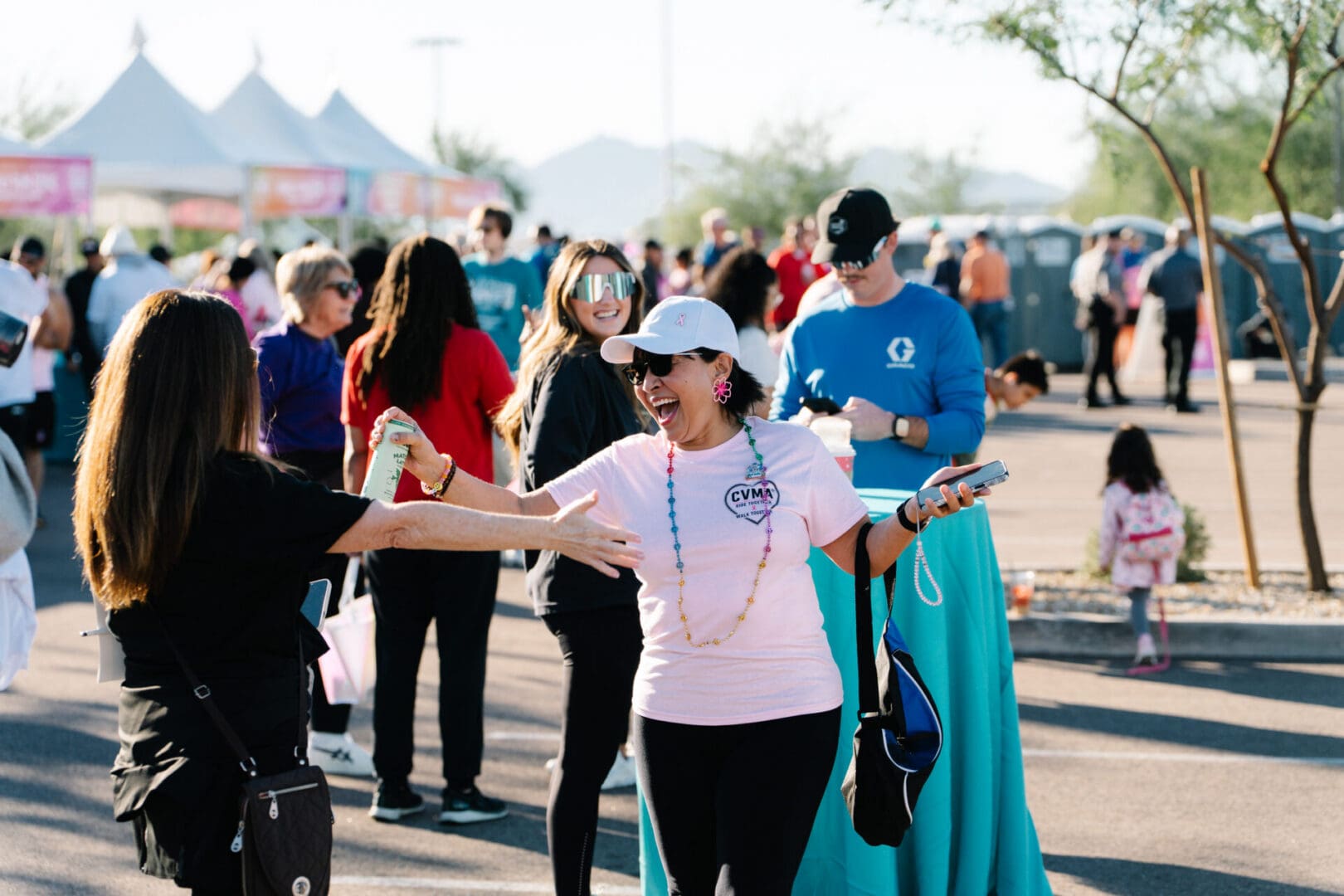
That spirit of connection is at the heart of City of Hope’s annual Walk for Hope. Held Nov. 7, the Arizona event brought together patients, survivors, caregivers, families and supporters around a shared commitment to cancer research, care and advocacy.
For Onodera, participating in the walk carries personal meaning.
“Each step forward represents hope, resilience and the determination to keep moving ahead, even on the hardest days,” Onodera says.
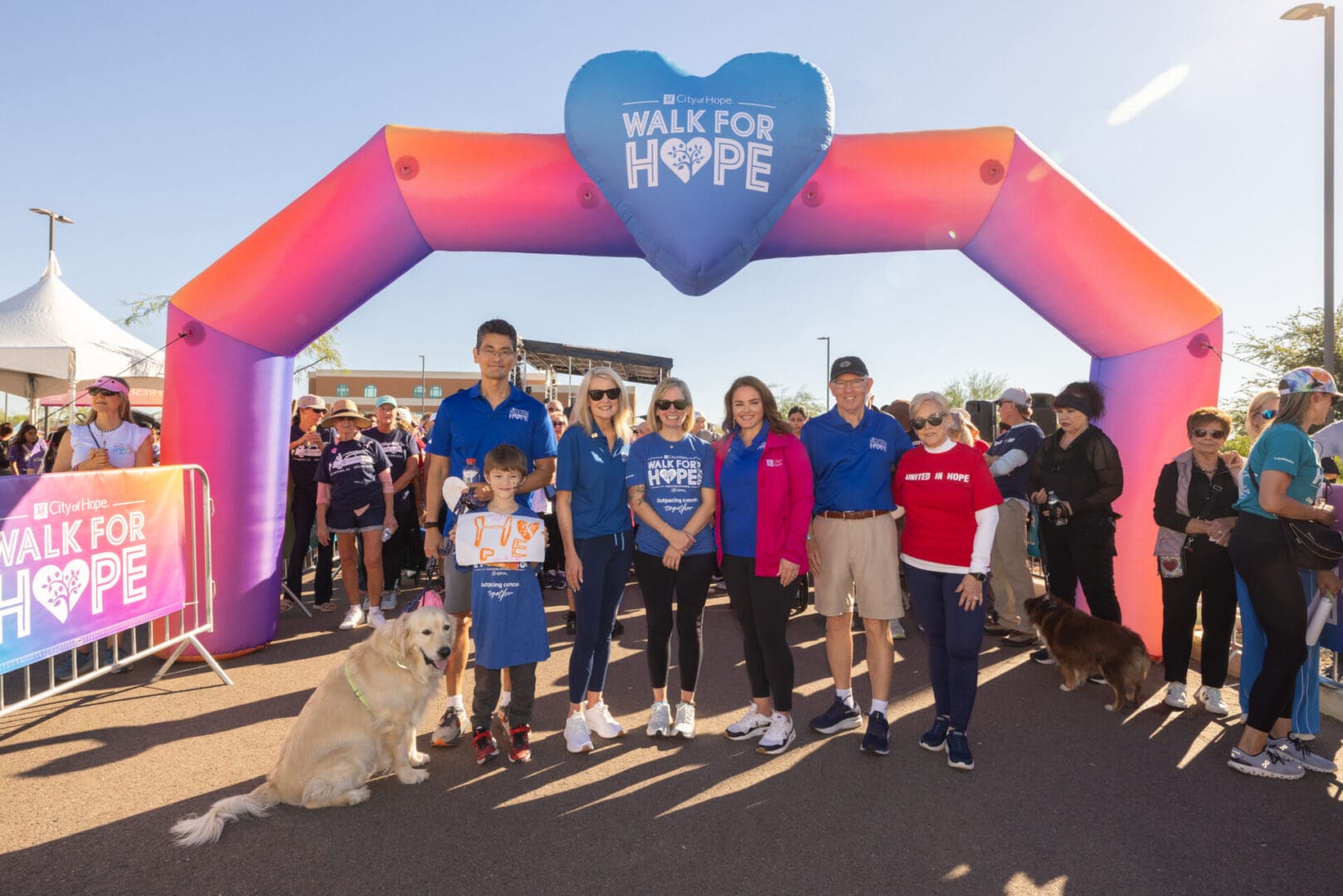
Sicaeros describes the event as more than a fundraiser. It is an opportunity for the community to stand alongside people affected by cancer and support the work being done to advance treatment and care.
“It’s a powerful reminder that no one faces cancer alone,” Sicaeros says.
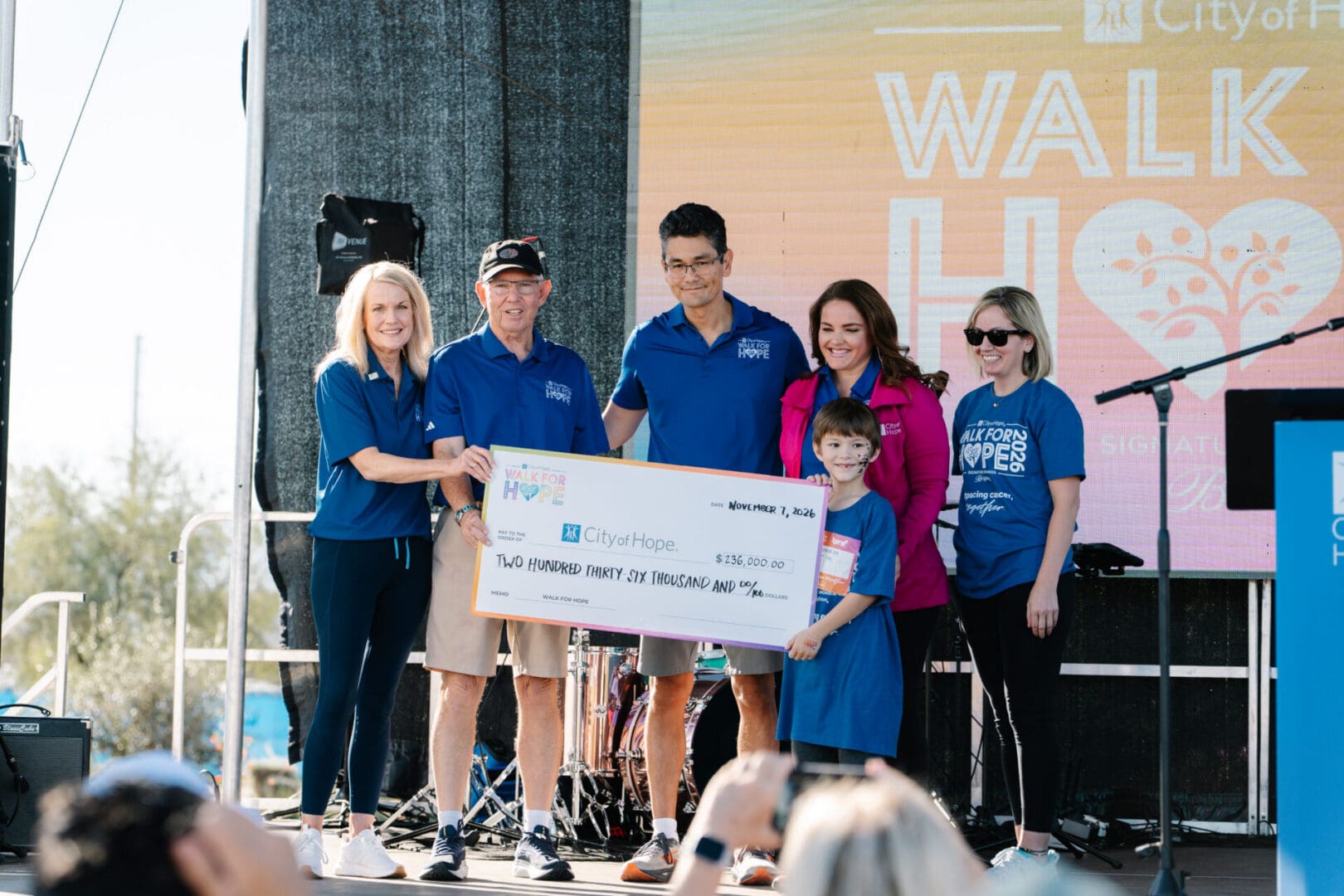
The funds raised through Walk for Hope help support research, access to innovative treatments, patient resources, advocacy and education, according to City of Hope. For Sicaeros, community participation is part of a larger effort to move discoveries forward and make a meaningful difference for patients and families.
The needs facing Arizona patients and families
The need for cancer care and support continues across Arizona. City of Hope cited an expectation of more than 44,000 new cancer cases in the state this year.
Sicaeros says timely access to compassionate care and a strong support system are among the most important needs facing patients and families. A diagnosis can affect nearly every part of a person’s life, making education, emotional support and access to resources important parts of the experience.
“At City of Hope Arizona, we’re committed to ensuring that no one faces cancer alone and that every patient has access to the expertise, innovation and personalized care they deserve close to home,” Sicaeros says.
That commitment extends beyond medical treatment. Sicaeros says City of Hope Arizona offers services that include naturopathic wellness programs, education and survivorship resources to support patients and caregivers.
“At City of Hope Arizona, we treat the whole person, not just the disease. We believe healing happens through both medical innovation and compassionate support, and we’re honored to walk alongside our patients and families every step of the way,” Sicaeros says.
Research bringing new possibilities
While support and access to care remain essential, advances in cancer research are also creating new possibilities for patients.
Sicaeros points to precision medicine, targeted therapies, immunotherapy and clinical research as important areas of progress. These approaches can help tailor treatment to the individual characteristics of a patient’s cancer.
City of Hope Arizona is also working in partnership with TGen to advance discoveries and bring innovative treatments and personalized therapies closer to patients in Arizona.
“There has never been a more hopeful time in cancer care,” Sicaeros says.
The work is ongoing, and research does not remove the challenges patients face today. But continued investment in discovery, education and access to treatment can help expand options for people confronting a diagnosis.
Everyone has a role to play
For Onodera, advocacy begins with helping people understand that they are not alone. For Sicaeros, it also means bringing communities together to support research, care and education.
Arizona residents can participate through volunteering, philanthropy, advocacy and events that support the cancer community. Those contributions help sustain work that reaches beyond a single event or individual.
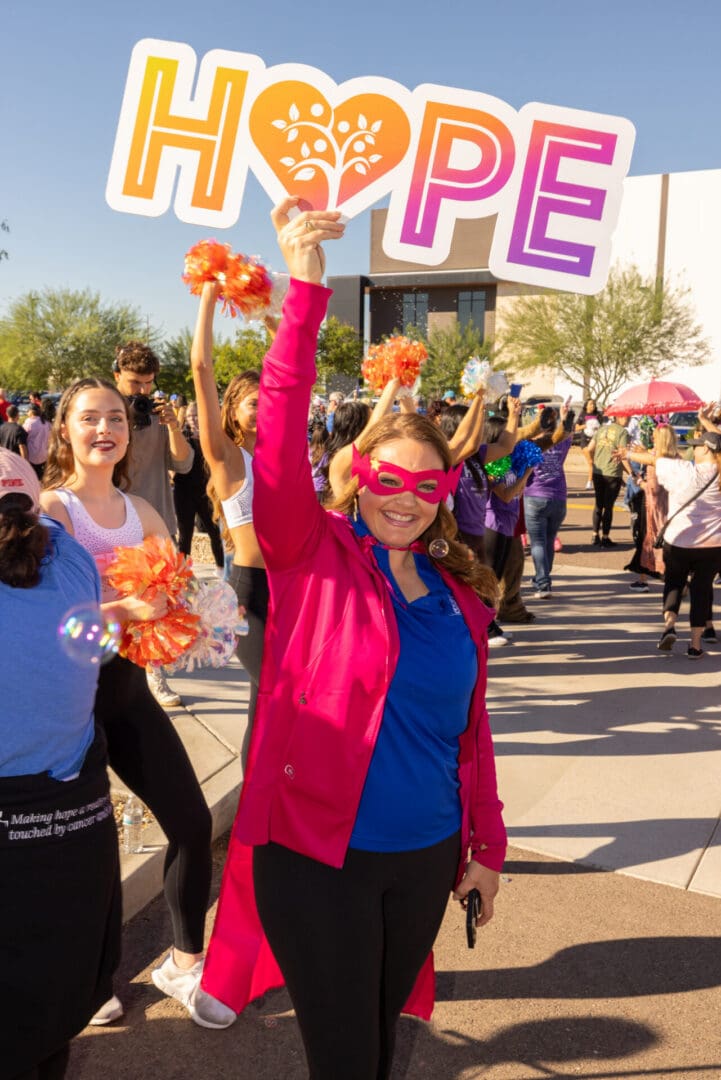
The message shared by both women returns to a simple idea: the cancer journey may be deeply personal, but no one should have to face it alone.
Whether through a loved one who shows up, a community that offers encouragement or research that opens the door to new treatment possibilities, every act of support can help move someone forward. For patients and families navigating the uncertainty of cancer, that support is more than an act of kindness. It is a reminder that even in the hardest moments, hope remains—and the next step is still worth taking.
Learn More: Readers interested in cancer care, research, patient resources and support programs can visit City of Hope.
This article is based on interviews with Angela Onodera and Laurie Sicaeros of City of Hope Cancer Center Arizona. Their views are presented as those of the respective interviewees.
