

When Your Mind Needs a Reset, Listen to Your Body
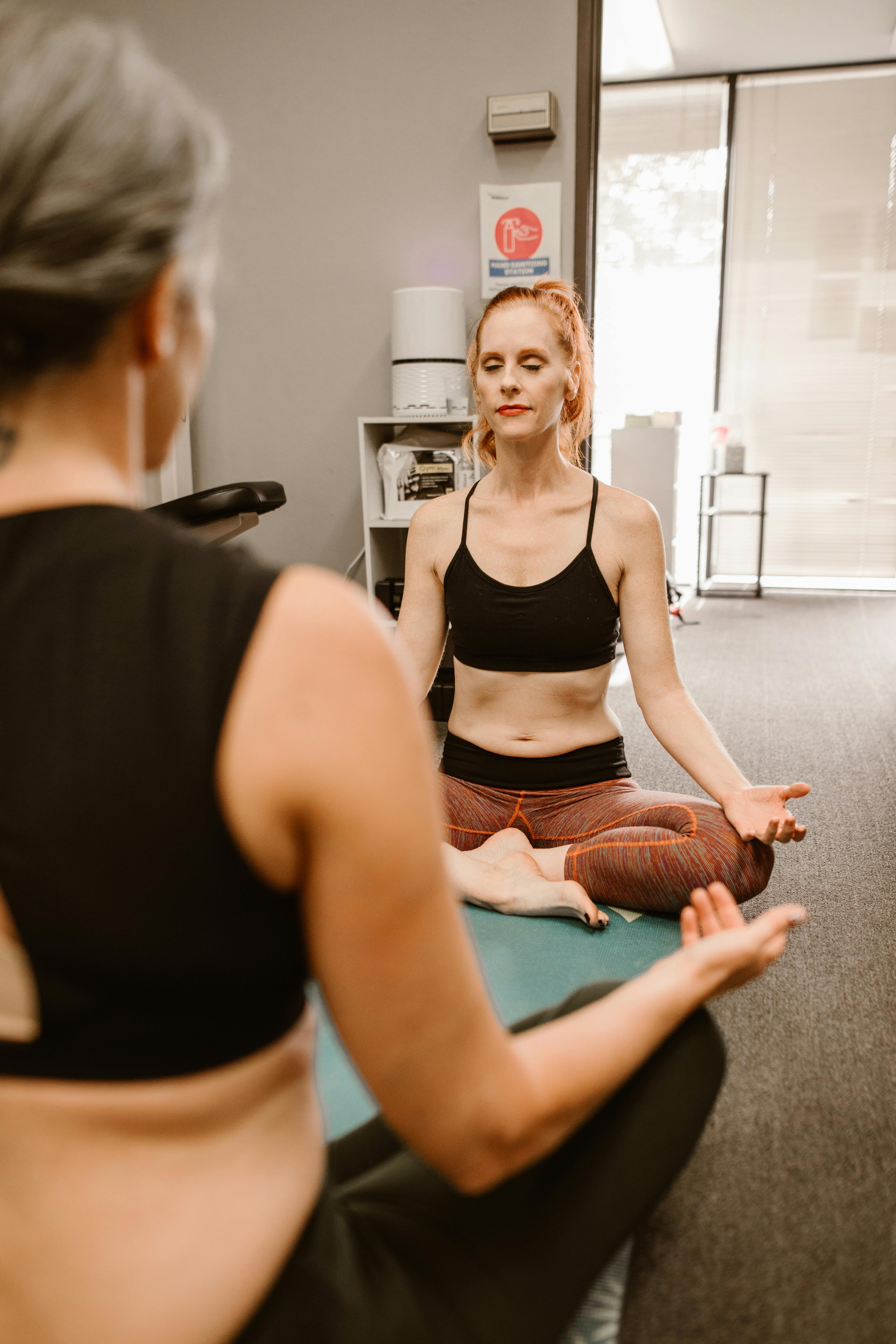
Sometimes the signs that we need a break don't begin with a thought. They begin with a tired body, a restless night, tense shoulders or the feeling that everything on the to-do list suddenly feels like too much.
Our minds and bodies are constantly communicating. When we're under stress, the effects can show up physically, emotionally and mentally. And when we're physically exhausted or not getting enough rest, it can become harder to concentrate, manage emotions and handle the everyday demands of life.
The good news is that taking care of yourself doesn't always require a dramatic change. Sometimes it starts with paying attention.
Rest Is More Than Sleep
Sleep is an important part of feeling restored, but rest can take other forms, too. The American Psychological Association notes that people may benefit from different types of rest, including physical, mental, emotional, social and sensory rest.
For one person, that might mean getting outside for a quiet walk. For another, it could mean stepping away from a demanding task, putting the phone down for a while, spending time with someone who makes them feel supported or simply allowing themselves to have a few quiet minutes without another responsibility competing for attention.
Movement Can Change the Moment
Movement is another way to reconnect the mind and body. It doesn't have to mean an intense workout or spending hours at the gym.
A walk around the neighborhood, stretching between tasks, dancing in the kitchen or simply getting up from a chair and moving for a few minutes can create a welcome interruption in a stressful day. Research and health guidance increasingly recognize physical activity as one part of supporting both physical and mental well-being.
The goal isn't perfection. It's finding movement that fits your life and that you can return to consistently.
Pay Attention to What Your Body Is Saying
Stress can look different from person to person. You may notice that you're sleeping poorly, carrying tension in your shoulders, feeling unusually tired, becoming more irritable or having difficulty quieting your thoughts.
Those signals don't necessarily mean something is wrong. But they can be reminders to slow down and ask a simple question: What do I need right now?
Sometimes the answer is rest. Sometimes it's movement. Sometimes it's a conversation, a healthier boundary, a nourishing meal, time outdoors or professional support.
Small Changes Count
Wellness can easily become another item on an already crowded list. Instead of trying to change everything at once, choose one small habit that makes your day feel a little more manageable.
Go for a short walk. Take a screen break. Stretch before bed. Call someone you love. Give yourself permission to sit quietly for a few minutes. Put tomorrow's worries aside long enough to be present today.
These choices may seem small, but caring for your mind and body is built through the things you do repeatedly—not just the big decisions you make once in a while.
This month, choose one thing that helps your mind slow down and one thing that helps your body feel cared for. Keep it simple enough that you can actually do it.
And remember: listening to your body doesn't mean diagnosing yourself. If you're experiencing persistent physical or emotional symptoms, talk with a qualified healthcare professional who can help you understand what's going on and what support may be appropriate.
Sometimes better living begins with something very simple: stopping long enough to listen.